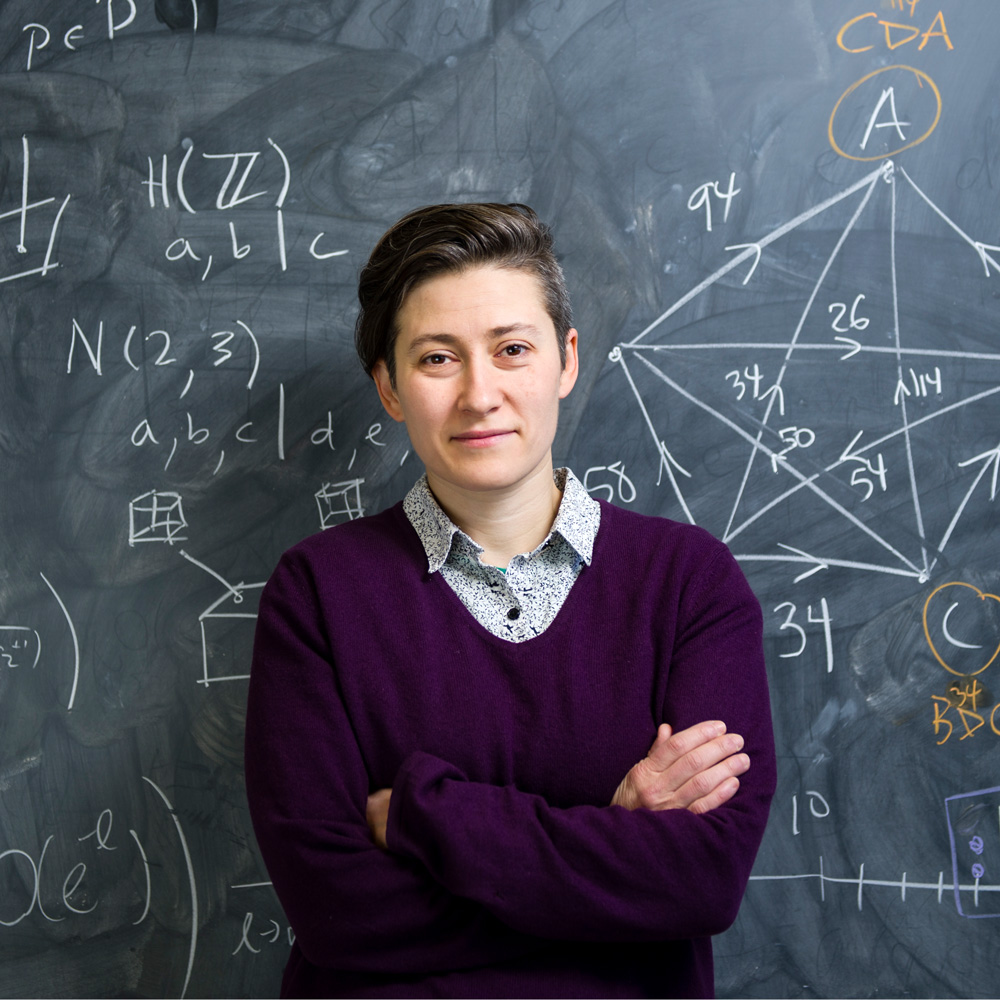
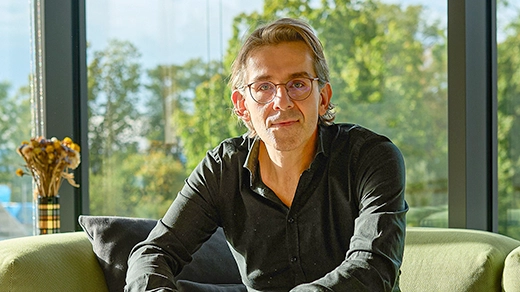



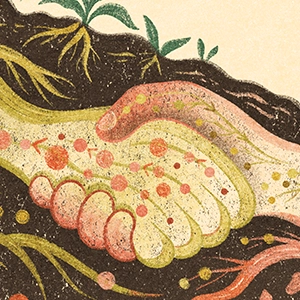
Evolutionary biologist Toby Kiers explains how fungal networks in soil trade nutrients with plants, help keep carbon underground, and strike bargains without having a brain.

Kristina Armitage/Quanta Magazine
A new topological model connects a centuries-old voting paradox to a surface with no distinct inside or outside.
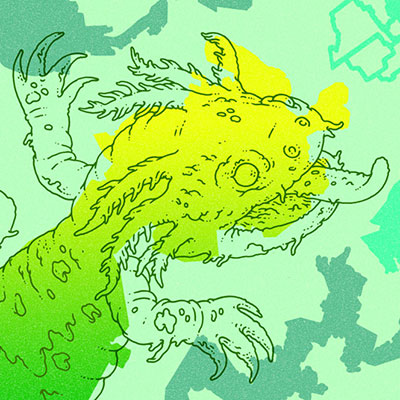
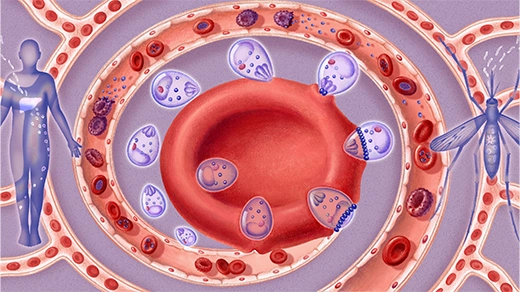
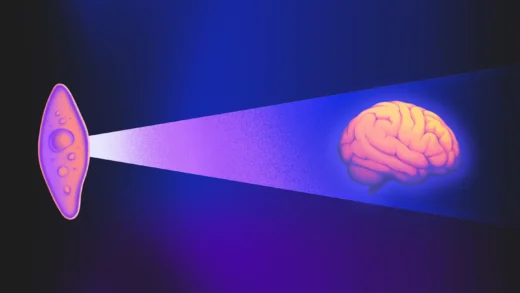
To invade red blood cells, the deadly protist creates a temporary molecular portal that disappears behind it — a door we can now see in fine detail.
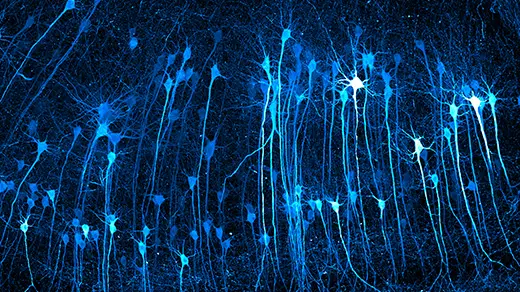
Winning entries in the 2026 Nikon Small World competitions reveal the hidden interactions that govern everyday life.
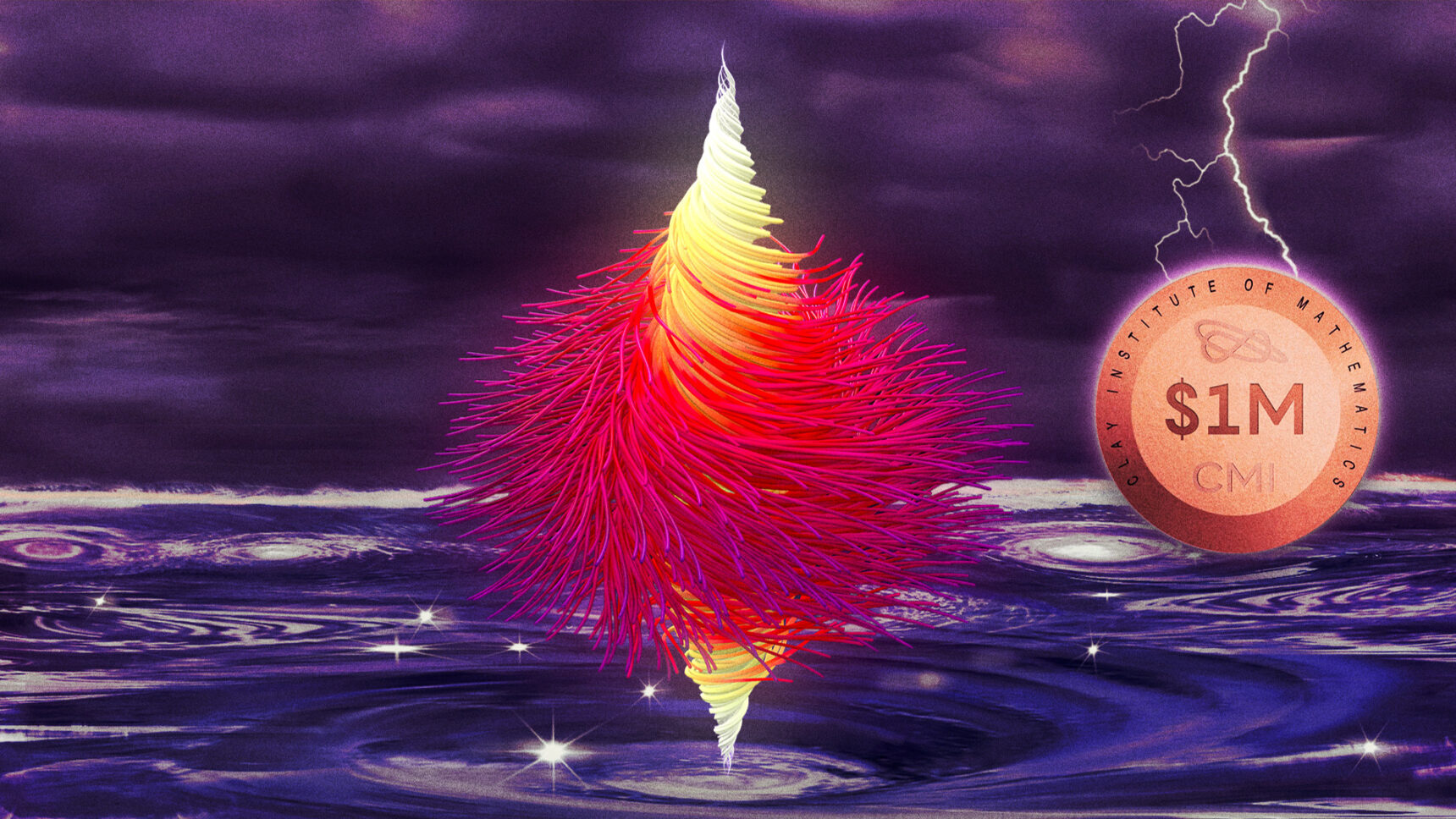
Unlike other recent AI proofs, this one has been unpacked by human experts. The implications, one mathematician said, are “staggering.”
Moritz Hardt, author of a new book on benchmarks, believes these “standardized tests” for artificial intelligence are fundamentally broken — but not unfixable.
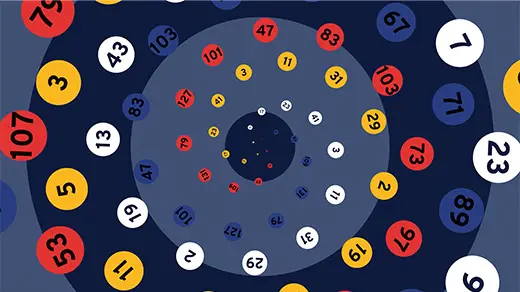
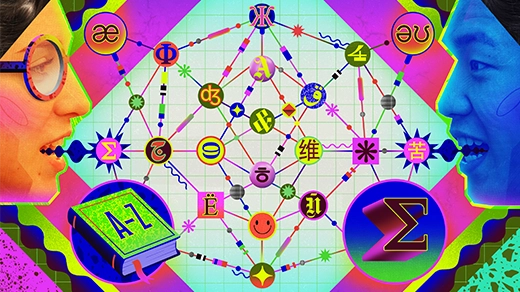
A mathematical mechanism enables AI models to process language at scale, undergirding the current AI revolution. Our columnist asks: Why is attention the key?
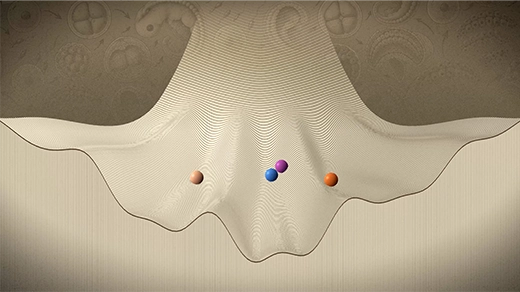
C.H. Waddington’s powerful image of embryonic stem cells specializing on a rolling landscape has captivated biologists since the 1950s. Experimental data is finally confirming, and complicating, his visionary ideas.
In the shadow of a rumored AI proof of one of the biggest problems in their field, three computer scientists rushed to publish their own milestone result.
Emily Buder/Quanta Magazine and Emily Zhang
Evolutionary biologist Toby Kiers explains how fungal networks in soil trade nutrients with plants, help keep carbon underground, and strike bargains without having a brain.
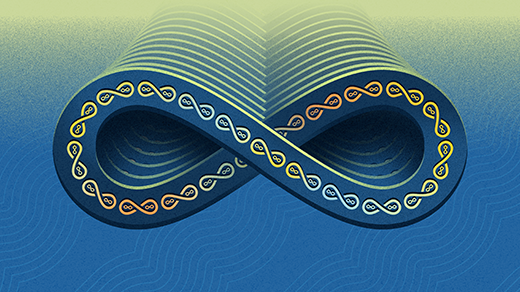
Intuition breaks down once we’re dealing with the endless. To begin with: Some infinities are bigger than others.
Illuminating basic science and math research through public service journalism.
More about usQuanta Magazine is committed to in-depth, accurate journalism that serves the public interest. Each article braids the complexities of science with the malleable art of storytelling and is meticulously reported, edited and fact-checked. Launched and funded by the Simons Foundation, Quanta is editorially independent — our articles do not reflect or represent the views of the foundation.