
Latest Articles

In the Ticking of the Embryonic Clock, She Finds Answers
Renee Reijo Pera has spent decades uncovering how the timing of embryonic development contributes to health and disease.
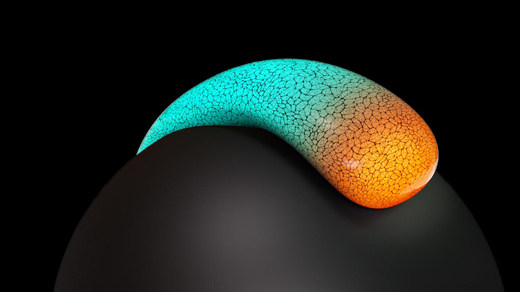
‘Traffic Jams’ of Cells Help to Sculpt Embryos
By measuring mechanical forces inside an embryo for the first time, researchers have shown how a physical “jamming” mechanism assists development.
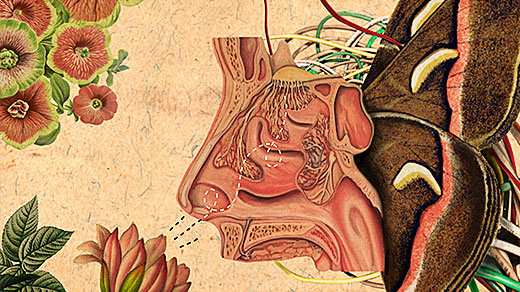
New AI Strategy Mimics How Brains Learn to Smell
Machine learning techniques are commonly based on how the visual system processes information. To beat their limitations, scientists are drawing inspiration from the sense of smell.

To Heal Some Wounds, Adult Cells Turn More Fetal
Once again, body cells reveal unexpected plasticity: In a newly discovered type of wound healing, which some researchers call “paligenosis,” adult cells revert to a more fetal state.
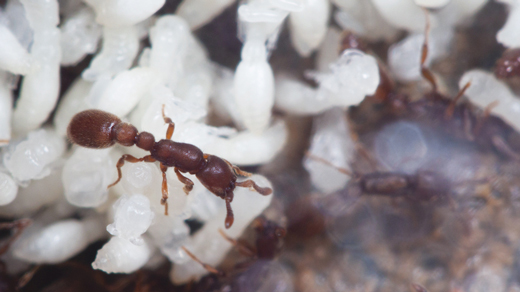
How Insulin Helped Create Ant Societies
Evolution may have coopted an ancient metabolic mechanism to set social insects on the path toward one of the most puzzling behaviors found in nature.

Why Nature Prefers Couples, Even for Yeast
Some species have the equivalent of many more than two sexes, but most do not. A new model suggests the reason depends on how often they mate.

To Make Sense of the Present, Brains May Predict the Future
A controversial theory suggests that perception, motor control, memory and other brain functions all depend on comparisons between ongoing actual experiences and the brain’s modeled expectations.

The Physics of Glass Opens a Window Into Biology
The physicist Lisa Manning studies the dynamics of glassy materials to understand embryonic development and disease.

Overtaxed Working Memory Knocks the Brain Out of Sync
Researchers find that when working memory gets overburdened, dialogue between three brain regions breaks down. The discovery provides new support for a larger concept about how the brain works.