
Latest Articles
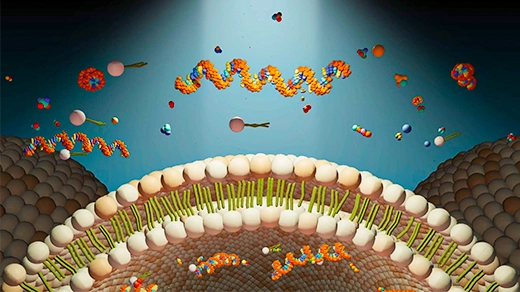
A New Era for the Dawn of Life
Creative, interdisciplinary, and bold, the study of the origins of life has entered a new age. Welcome to Quanta Magazine’s special series on the origins of life.
The Evolving Story of How Chemistry Became Biology
After decades of bickering about which molecules came first, a new generation of scientists is rethinking what life was, is, and could be.
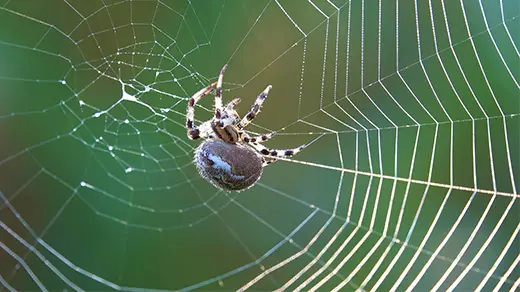
How Spiders Spin ‘Silk Dope’ Into Nature’s Toughest Material
By probing its molecular structure, biologists are uncovering how a tangle of unstructured proteins turns into a strong, flexible fiber.
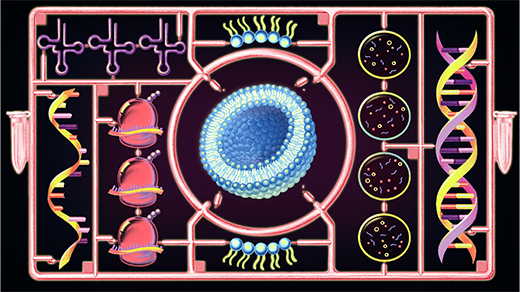
For the First Time, a Cell Built From Scratch Grows and Divides
Scientists built a synthetic cell that combines more lifelike properties than ever before — proof of concept that it’s possible to bring nonliving materials to life, or something close to it, in the lab.
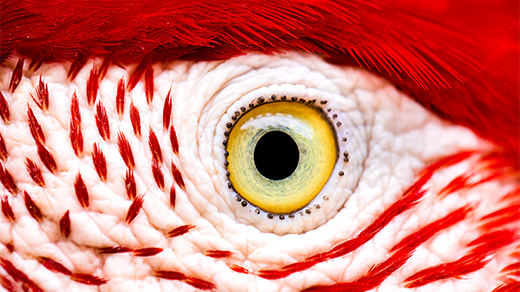
How the Bird Eye Was Pushed to an Evolutionary Extreme
The bird retina is one of the most energetically expensive tissues in the animal kingdom, yet it doesn’t use the energy advantage of oxygen. New research finally explains how this is possible.
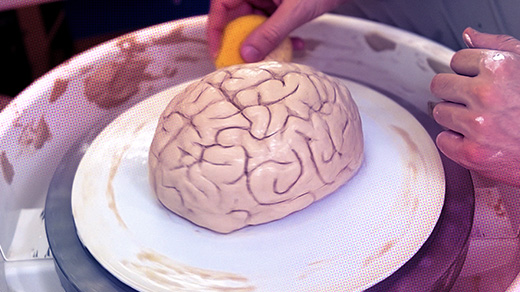
A New Type of Neuroplasticity Rewires the Brain After a Single Experience
“Neurons that fire together, wire together” is not the full story. A novel mechanism explains how the brain can learn across longer timescales.
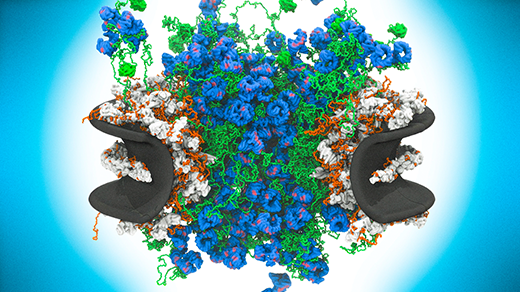
Disorder Drives One of Nature’s Most Complex Machines
Every second, hundreds to thousands of molecules move through thousands of nuclear pores in each of your cells. A new high-definition view reveals the machine in action.
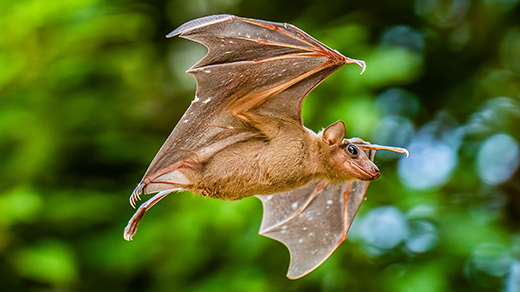
How Animals Build a Sense of Direction
Researchers recorded the neurons that shape directional navigation as bats explored a remote island off the coast of Tanzania.
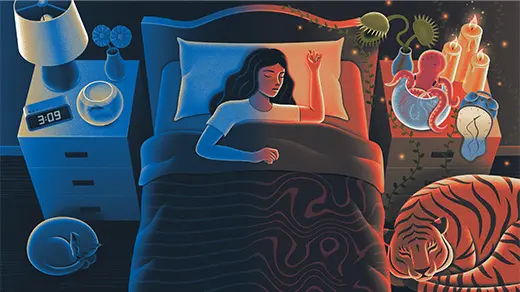
How the Brain Moves From Waking Life to Sleep (and Back Again)
Neuroscientists probing the boundary between sleep and awareness are finding many types of liminal states, which help explain the sleep disorders that can result when sleep transitions go wrong.