Videos
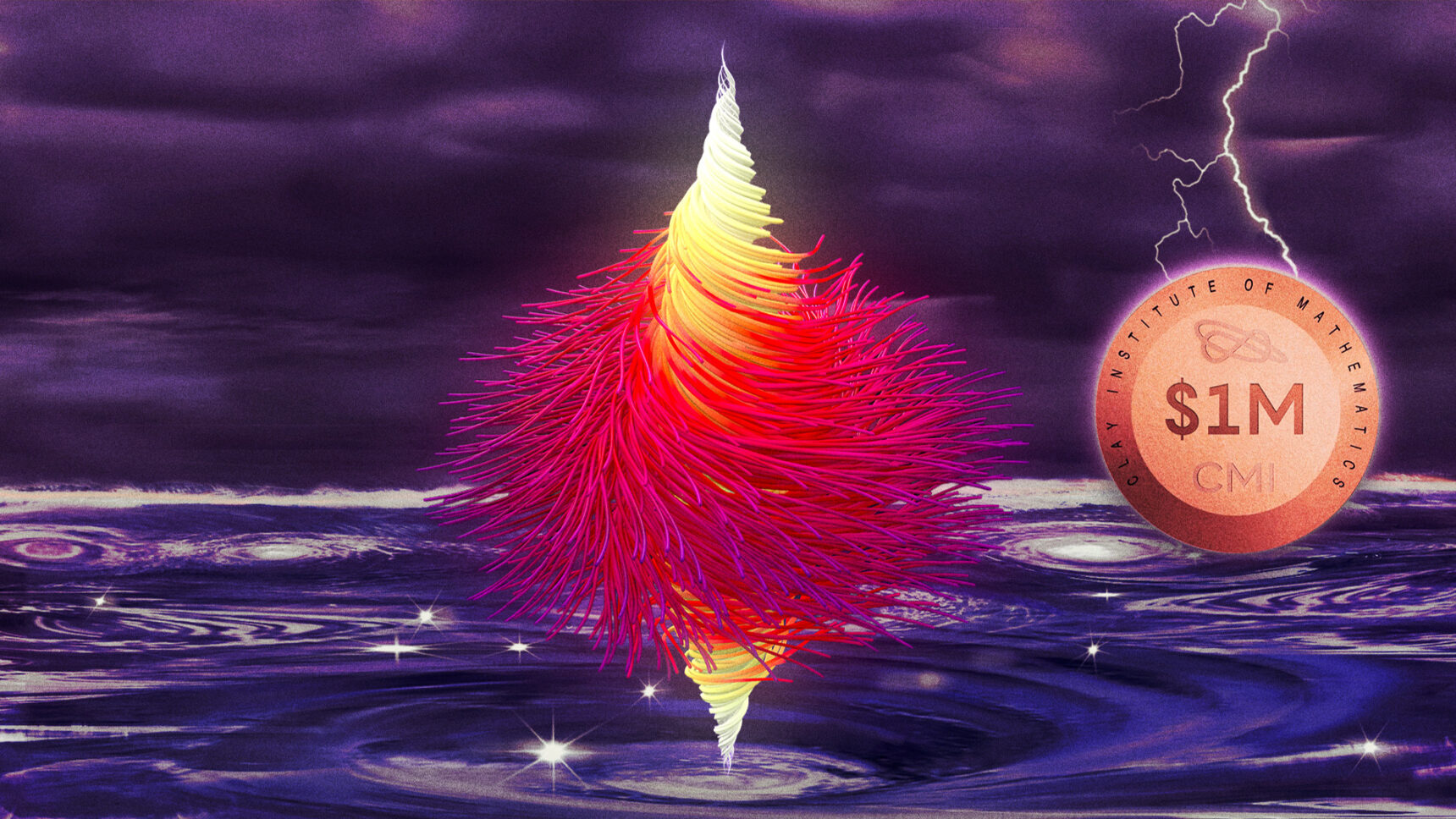
The Navier-Stokes Equations, Explained
This video explores why the Navier-Stokes equations are so difficult, what it means for their solutions to blow up, and how a new AI-assisted proof is reshaping one of mathematics’ most famous unsolved problems.
Read related article
Explore All Videos

Günter Ziegler Seeks God’s Perfect Math Proofs
Günter Ziegler describes one of the most famous and beautiful proofs in Proofs From THE BOOK, a book he co-authored with Martin Aigner.
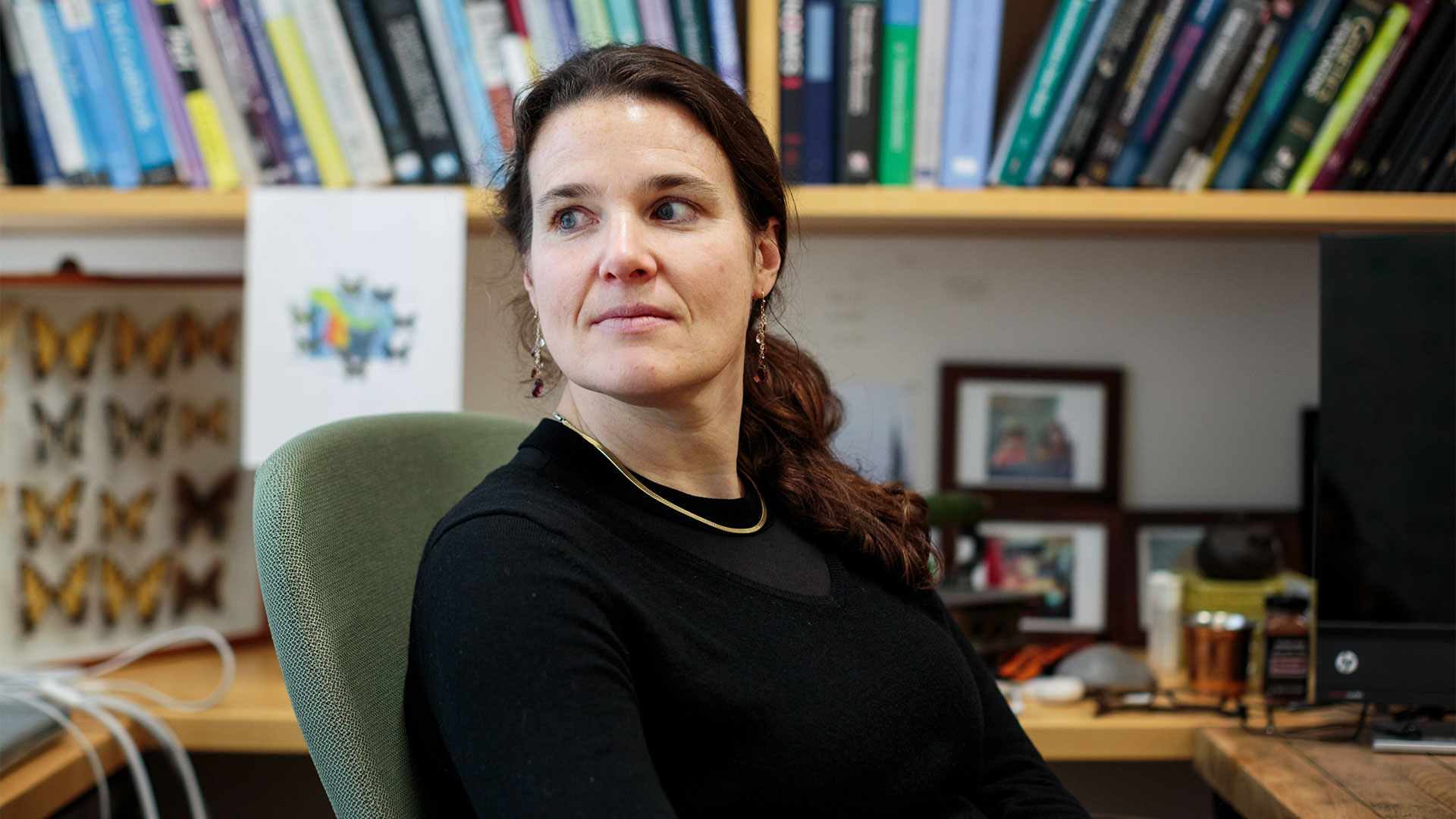
Barbara Engelhardt on How to Improve Statistical Analyses of Genomes
Barbara Engelhardt, a computer scientist at Princeton University, explains why traditional machine-learning techniques have often fallen short for genomic analysis, and how researchers are overcoming that challenge.
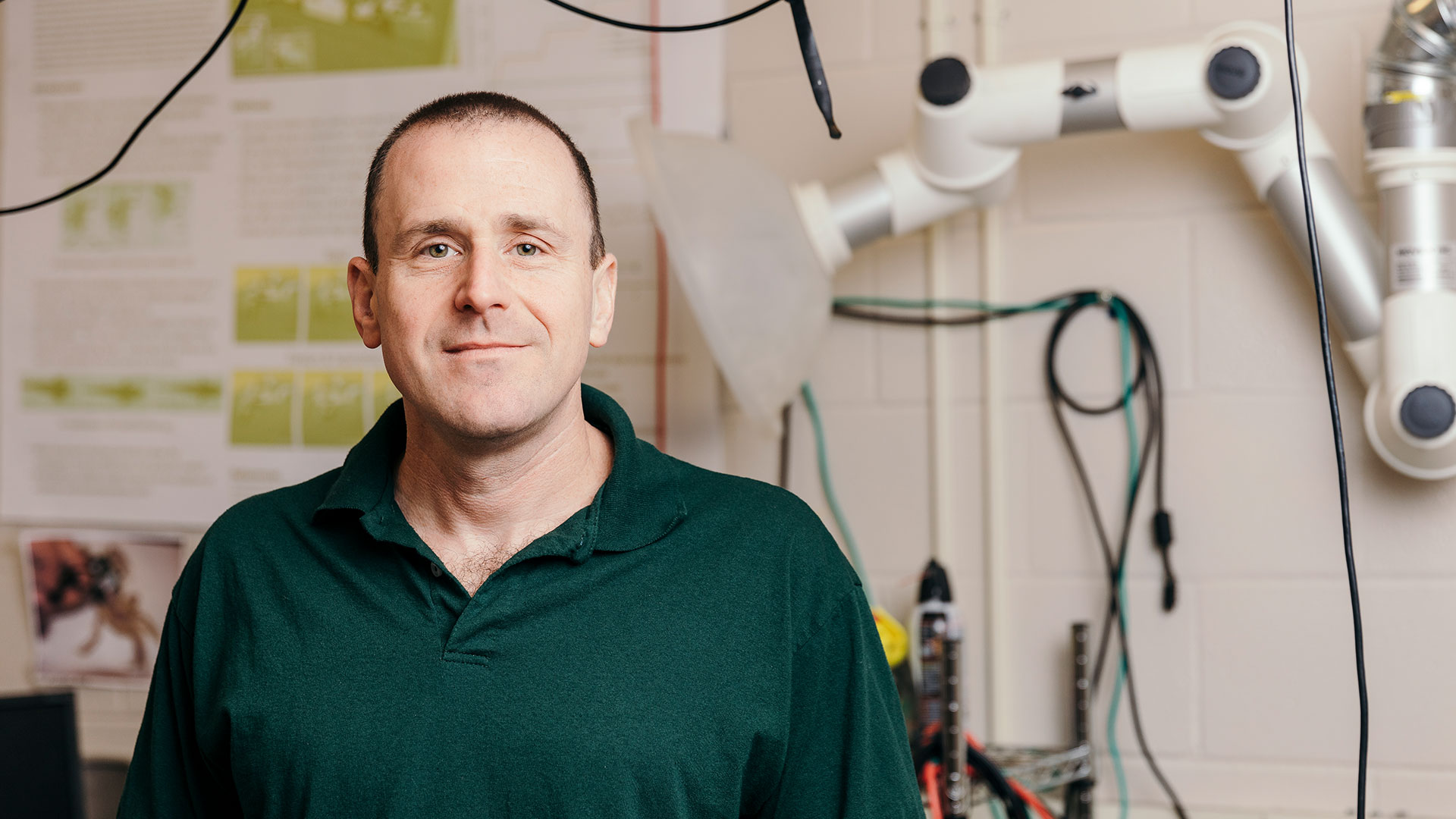
Daniel Goldman and His Smart Robots
Goldman explains how “smarticles” work together to demonstrate collective behavior.

Gil Kalai: Why Quantum Computers Won’t Work
Kalai argues that limiting the noise in a quantum computer will also limit the computational power of the system.

Erich Jarvis on Theories About the Origin of Vocal Learning
Neuroscientist Erich Jarvis discusses how the brain circuitry for vocal learning in songbirds and humans evolved from systems for controlling body movements and why so few species have this ability.

Ed Boyden on the Promise of Expansion Microscopy
Ed Boyden explains how expansion microscopy could illuminate deep mysteries about how the brain works and improve cancer diagnosis, among other advances.

Richard Schwartz: In Praise of Simple Problems
Mathematician Richard Schwartz talks about why he’s attracted to the hidden depths of simple problems.

Corina Tarnita: First Understand Nature’s Rules
Corina Tarnita argues that to fully appreciate nature, you must first understand its rules.
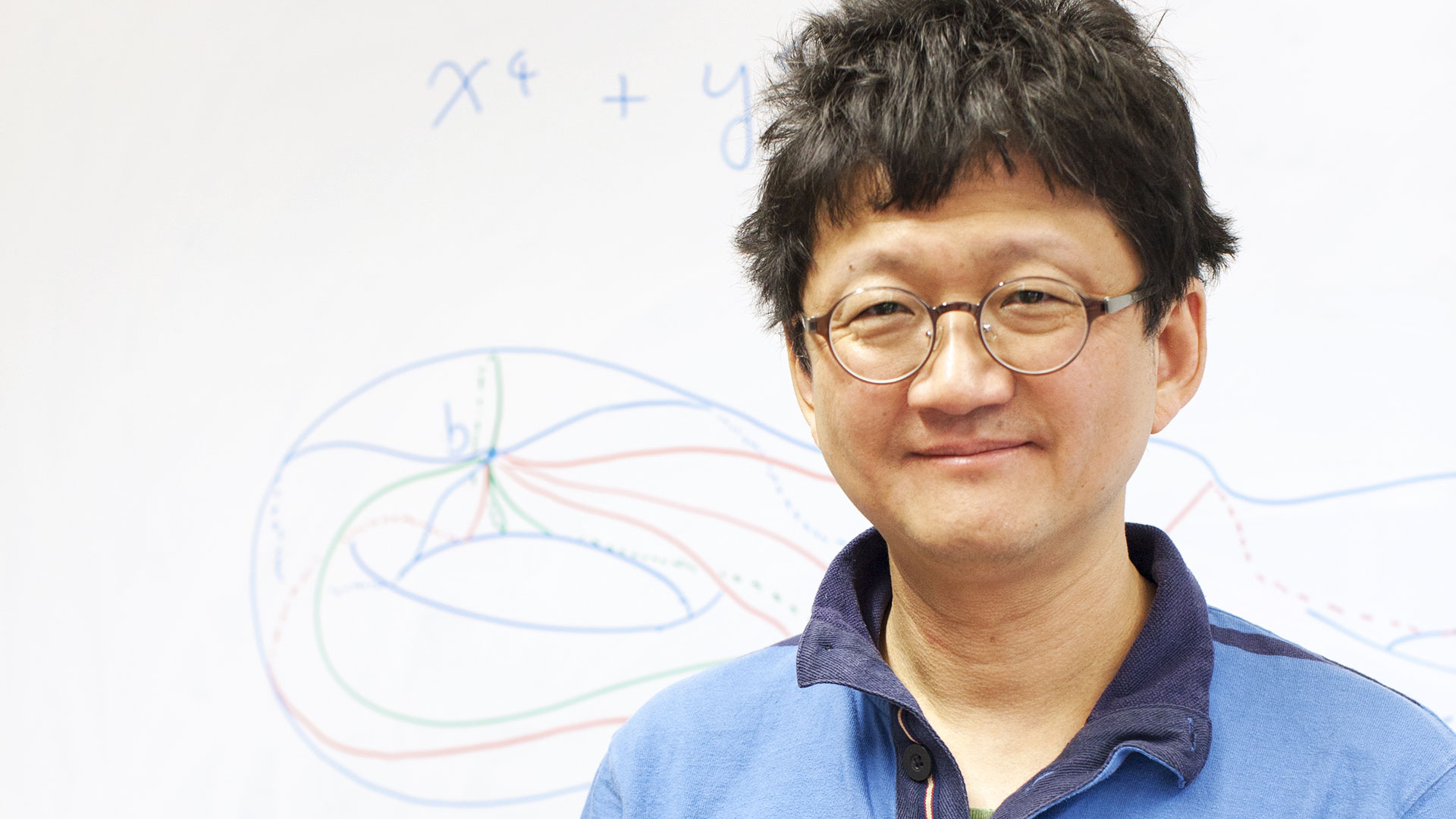
Minhyong Kim: Connecting Number Theory to Physics
Minhyong Kim wanted to make sure he had concrete results in number theory before he admitted that his ideas were inspired by physics.